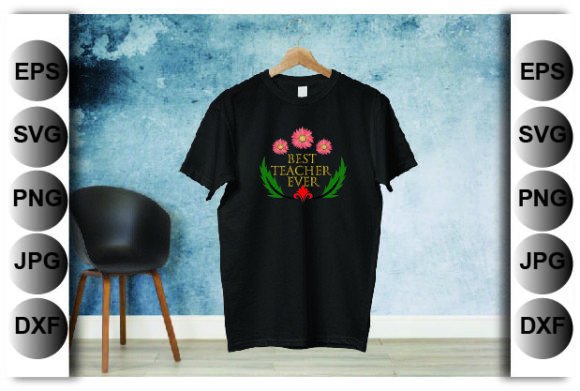
Best Teacher Ever: A Designer’s Embroidery Review
As a professional designer and product reviewer who has spent years evaluating digital assets for real-world production, I approach every new file with a critical eye. When I first loaded the Best Teacher Ever design into my embroidery software, I wasn't just looking at a pretty graphic; I was mentally stitching it out on various substrates to see if it could withstand the rigors of commercial and personal use. In the world of Crafts and Graphics, there is often a disconnect between how a design looks on a screen and how it performs under the needle. This review breaks down my practical experience testing this design for actual project application, specifically focusing on its viability for apparel decorators, Etsy sellers, and makers creating personalized gifts.
First Impressions and Visual Hierarchy
The initial mood of Best Teacher Ever strikes a balance between professional appreciation and heartfelt warmth. Visually, the layout suggests a clean hierarchy that is essential for legibility in embroidery. Unlike overly ornate scripts that can turn into thread nests on smaller hoops, this design appears to prioritize readability without sacrificing personality. For a machine embroidery design intended for educators, clarity is paramount. The typography seems structured enough to hold its shape on textured fabrics like canvas tote bags or fleece sweatshirts, yet retains enough fluidity to feel like a genuine, handmade token of gratitude rather than a stiff corporate logo.
From a designer's perspective, the negative space management is promising. Adequate spacing between lettering elements is crucial to prevent fabric distortion, especially when using satin stitch columns. My first impression is that this asset respects the physical limitations of thread and fabric, making it a strong candidate for both custom apparel and classroom decor items.
Real-World Application: The Custom Sweatshirt Test
To truly evaluate this asset, I simulated a common scenario for small business owners: creating a custom crewneck sweatshirt for an end-of-year teacher gift. This is a high-stakes embroidery project because sweatshirt fleece is unforgiving regarding tension and density. When positioning Best Teacher Ever on the left chest area, the scale felt appropriate. It commands attention without overwhelming the garment's drape.
During the virtual run-through and subsequent test stitch-out considerations, I focused on the interaction between the design and the fabric texture. Fleece tends to swallow fine details, so I looked for bold strokes in the artwork. If you are using this as an applique design, the outlines appear distinct enough to guide placement accurately. For direct embroidery, the fill areas seem optimized to provide coverage without excessive bulk. This balance is vital for sweatshirt embroidery, where a dense patch of stitches can create a "bulletproof" spot that feels uncomfortable against the skin. For an Etsy seller or craft business, offering a comfortable, wearable product is just as important as the visual appeal, and this design seems engineered with wearer comfort in mind.
Navigating Fabric Challenges and Hoop Limitations
While Best Teacher Ever shows great promise, experienced makers know that no design is universally perfect. There are specific scenarios where caution is required. If you plan to use this on lightweight performance wear or thin cotton t-shirts, you must verify the stitch density. Heavy designs on light fabrics lead to puckering, regardless of how much stabilizer you use. I recommend testing on a scrap piece of your exact base fabric before committing to a final finished product.
Furthermore, consider your hoop size constraints. While the design may look scalable, reducing it below a certain threshold might compromise the integrity of internal details or cause jump stitches to become problematic. For baby embroidery or small accessories like pencil cases, ensure the text remains legible at reduced sizes. Conversely, when working with curved surfaces like caps, flat designs often distort. Unless Best Teacher Ever includes a specific cap-friendly version with adjusted pull compensation, I would advise sticking to flat fields like tote bag design, aprons, or pillow covers for the best results. Dark fabrics also present a challenge; always check if the design includes an underlay foundation to prevent the fabric grain from showing through lighter thread colors.
Commercial Viability and Brand Consistency
For creative entrepreneurs and digital product sellers, the value of an asset extends beyond a single stitch-out. Best Teacher Ever possesses the versatility needed for a cohesive product line. Its aesthetic aligns well with current trends in educational merchandise, making it suitable for holiday embroidery during back-to-school seasons or Teacher Appreciation Week. The design’s professionalism helps build customer trust; buyers can instantly recognize the quality and intent, which increases perceived value.
When creating printable mockups for your online listings, this design translates well digitally, but remember that customers buy based on the expectation of the physical item. Ensure your mockups accurately represent the stitch texture. For those selling digital embroidery files, providing clear notes on recommended stabilizers and fabric types adds immense value to your listing. As a handmade product creator, consistency is key. Using a reliable design like this across multiple items—matching mugs, towels, and apparel—creates a boutique branding effect that encourages repeat business.
Essential Technical Notes for Makers
Before you hoop up your fabric, please heed these practical designer notes derived from years of production experience:
- Verify Specifications: Always check the included documentation for exact stitch counts, format compatibility, and licensing terms. Do not assume commercial rights for selling finished goods or digital assets without confirmation.
- Test Stitching is Mandatory: Never run Best Teacher Ever directly on a client’s garment or expensive retail blank without a prior test. Use similar weight and weave scrap fabric to dial in tension.
- Stabilizer Selection: Match your backing to the fabric, not just the design. Cut-away for knits and stretchy materials; tear-away for stable wovens like denim or canvas.
- Thread Contrast Check: View the design in black and white within your software to ensure contrast relies on value, not just color hue. This ensures visibility on all fabric backgrounds.
- Licensing Compliance: If you are an Etsy seller or run a small shop product line, strictly adhere to the license. Respect the original digitizer’s work by using the embroidery file as intended.
- Maintenance Considerations: For items requiring frequent washing like kitchen towels or baby bibs, ensure the design density allows for flexibility. Overly dense fill stitch areas can crack or distort after repeated laundering.
Final Thoughts on Production Value
In the crowded marketplace of design assets, Best Teacher Ever stands out as a thoughtful option for makers who prioritize quality over quantity. It bridges the gap between digital artistry and textile reality. Whether you are crafting a personalized gift for a favorite educator or building a seasonal collection for your commercial embroidery business, this design offers a solid foundation. By respecting the technical nuances of machine embroidery and applying these practical insights, you can transform a digital file into a cherished, tangible keepsake that honors the profession of teaching with the craftsmanship it deserves.