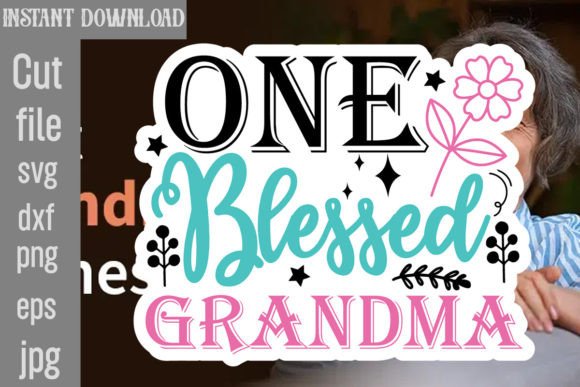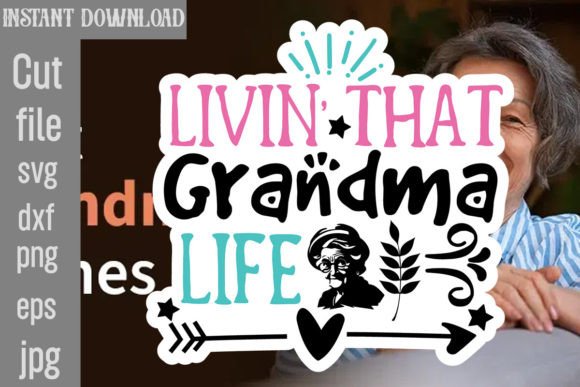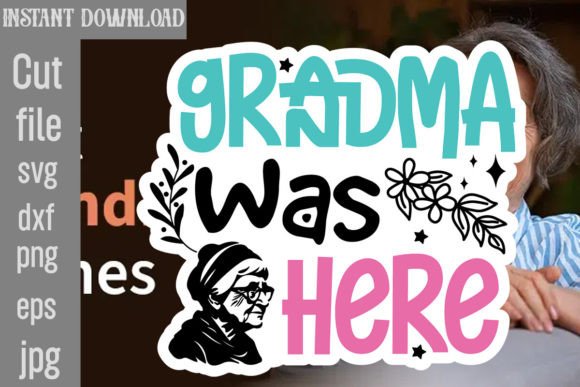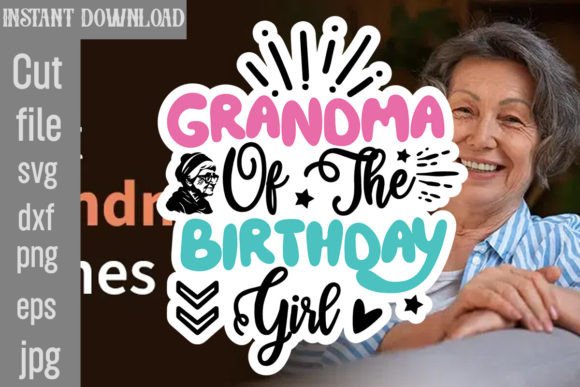
It's a Grandma Thing SVG: Graphics for Crafts Branding
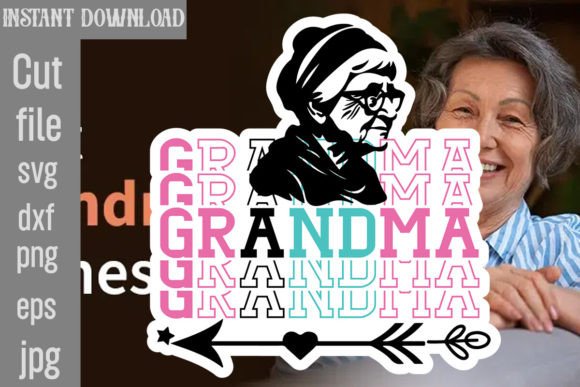
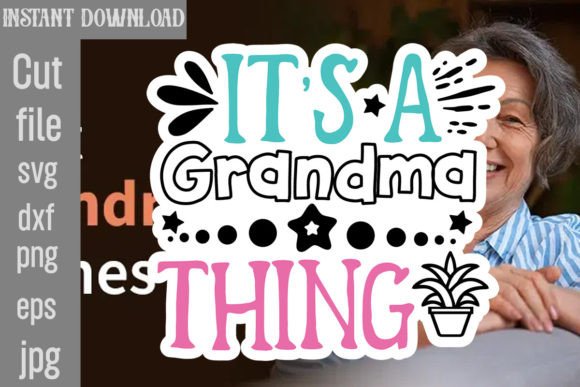
As a brand designer specializing in local business identity, I approach every new graphic design asset with a critical eye toward commercial viability. When evaluating the It s a Grandma Thing SVG Cut File, my first impression is one of immediate warmth and nostalgic authority. This isn't just a decorative element; it is a cultural signifier that instantly communicates trust, heritage, and homemade quality. For small business branding, specifically within the food, textile, or gift sectors, this asset carries significant emotional weight. It suggests a brand personality that is nurturing, experienced, and authentic. In an era of sterile minimalism, this graphic offers a necessary human touch that resonates deeply with consumers seeking connection over perfection.
Evaluating Emotional Resonance for Heritage Brands
The mood established by this asset is distinctly feminine yet grounded. It avoids being overly cutesy, leaning instead into a sense of earned wisdom and comfort. For a local bakery, this graphic implies recipes passed down through generations. For a handmade soap business or textile studio, it signals craftsmanship that prioritizes care over speed. As a designer, I look for assets that do more than fill space; I look for assets that tell a story. The It s a Grandma Thing SVG Cut File succeeds here because it acts as a visual shorthand for "quality you can trust." It fits seamlessly into modern rustic, cottagecore, or traditional Americana aesthetics without feeling dated. However, it requires careful handling to ensure it elevates the brand rather than making it look amateurish. The key is balancing this sentimental illustration with clean typography and professional layout structures to maintain commercial credibility.
Strategic Applications in Packaging and Product Labels
In real-world packaging design, versatility is non-negotiable. I recently reviewed this asset for a client launching a line of artisanal jams and preserves. The inclusion of multiple file formats makes this digital product exceptionally useful for physical production. The EPS vector file is crucial for professional printing on glass jars and cardboard boxes, ensuring crisp edges at any scale. Meanwhile, the SVG and DXF files are indispensable for small business owners utilizing Cricut or Silhouette machines for custom labels, hang tags, or vinyl decals on shipping boxes.
For product labels, this graphic works best as a secondary mark or seal of approval rather than the primary logo. Placing it on the back of a package near the ingredient list reinforces the handmade narrative. On the front, it serves as an excellent accent above the product name or as a background watermark when opacity is reduced. The 300 DPI PNG with a transparent background is particularly valuable for quick mockups and digital proofs. When designing for a local business, having a high-resolution raster option allows for rapid iteration in Canva templates or Photoshop before committing to vector production. This flexibility supports everything from premium unboxing experiences to simple price stickers at a farmers' market.
Enhancing Marketing Visuals and Social Media Presence
Beyond physical goods, this asset plays a vital role in digital brand identity. Social media graphics for handmade businesses often struggle to convey texture and warmth through a screen. Using the It s a Grandma Thing SVG Cut File in Instagram stories, Pinterest pins, or Facebook ads creates visual consistency between your online presence and physical packaging. I recommend using the PNG version to create branded frames for product photography or as a recurring motif in carousel posts explaining your process. This repetition builds brand recognition and strengthens the emotional connection with your audience.
For promotional materials like flyers, postcards, or seasonal campaign visuals, this graphic anchors the design. It provides a focal point that draws the eye and sets the tone before the customer even reads the headline. In editorial design for newsletters or blog headers, it breaks up text blocks and adds personality. However, effective visual hierarchy is essential. The illustration should support the call to action, not compete with it. When used correctly, it transforms generic marketing visuals into cohesive brand storytelling that drives engagement and sales.
Where This Asset Shines and Where to Exercise Caution
Understanding the appropriate context for any design asset is what separates professional branding from hobbyist crafting. The It s a Grandma Thing SVG Cut File excels in specific environments but can be detrimental in others.
- Ideal Use Cases: This asset is perfect for thank-you cards, printable inserts, boutique signage, and seasonal packaging. It thrives in businesses where the maker’s personal story is part of the value proposition. Think florists, candle brands, children’s clothing lines, and family-owned cafes.
- Areas of Caution: Avoid using this graphic in formal corporate branding, legal disclaimers, or luxury minimalist contexts where it may clash with the desired aesthetic. It should never obscure mandatory regulatory text on food or cosmetic labels. Additionally, be wary of using it on low-contrast backgrounds where the intricate details might get lost. If your brand positioning is ultra-modern or tech-forward, this asset will likely create cognitive dissonance for your customers.
Technical Due Diligence for Commercial Design
Before integrating this asset into a client project or your own business branding, rigorous testing is required. Always verify the commercial license terms to ensure you are cleared for physical product sales and marketing use. Technical quality checks are equally important. Open the SVG in your preferred vector software to inspect node counts and layer organization; a clean vector ensures easier editing and recoloring. Test the DXF file in your cutting software to confirm that weld lines are correct and that the machine won’t make unnecessary passes.
Print testing is mandatory. What looks good on a monitor may fail on textured paper or kraft cardstock. Print the design at its smallest intended size to ensure legibility and detail retention. Check how it interacts with your chosen typefaces; it generally pairs beautifully with serif fonts for tradition or handwritten scripts for authenticity, but may clash with geometric sans-serifs unless spaced intentionally. Finally, always create a black-and-white version. A strong graphic design asset must hold up without color, especially for single-color stamp printing or embossing on packaging. By treating this digital download with professional scrutiny, you transform a simple cut file into a powerful tool for building a recognizable, trusted local brand.